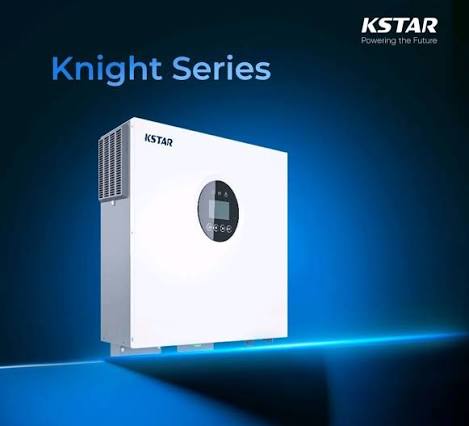
Understanding Inverter Technology In Kenya.
Inverter technology is essential for modern power management, offering numerous benefits over traditional systems. Here's a brief overview of the key points:
-
Definition: Inverters convert direct current (DC) to alternating current (AC), enabling the use of renewable energy sources like solar panels and batteries to power AC-operated devices.
-
Types of Inverters:
-
Pure Sine Wave Inverters
-
Description: Produces a smooth, consistent sine wave that closely mimics the AC power supplied by the grid.
-
Applications: Ideal for sensitive electronics and appliances, such as computers, televisions, and medical equipment.
-
Benefits: High efficiency, minimal harmonic distortion, and reliable performance.
-
-
Grid-Tie Inverters
-
Description: Designed to connect a solar power system to the electrical grid.
-
Applications: Used in residential and commercial solar power systems to feed excess energy back into the grid.
-
Benefits: Synchronizes with grid power, allowing for net metering and efficient energy use.
-
-
Off-Grid Inverters
-
Description: Operates independently from the electrical grid.
-
Applications: Used in remote locations or for backup power systems where grid access is unavailable.
-
Benefits: Provides standalone power from renewable sources like solar or wind.
-
-
Hybrid Inverters
-
Description: Combines the features of grid-tie and off-grid inverters.
-
Applications: Suitable for systems that use both grid power and renewable energy sources, providing flexibility and reliability.
-
Benefits: Allows for seamless switching between grid and battery power, optimizing energy use.
-
- Understanding these inverter types helps in selecting the right solution for residential, commercial, or renewable energy applications, ensuring reliable and efficient power management.